هذا هو النص الإنجليزي الأصلي؛ لا تتوفر حاليًا ترجمة عربية مُراجَعة لهذا الإصدار.
Buying turquoise online asks you to make a material decision without holding the stone in your hand. The useful response is not louder language. It is a clearer record: one Stone ID, consistent documentary views, precise measurements, treatment wording, price and a route to ask a question before buying.
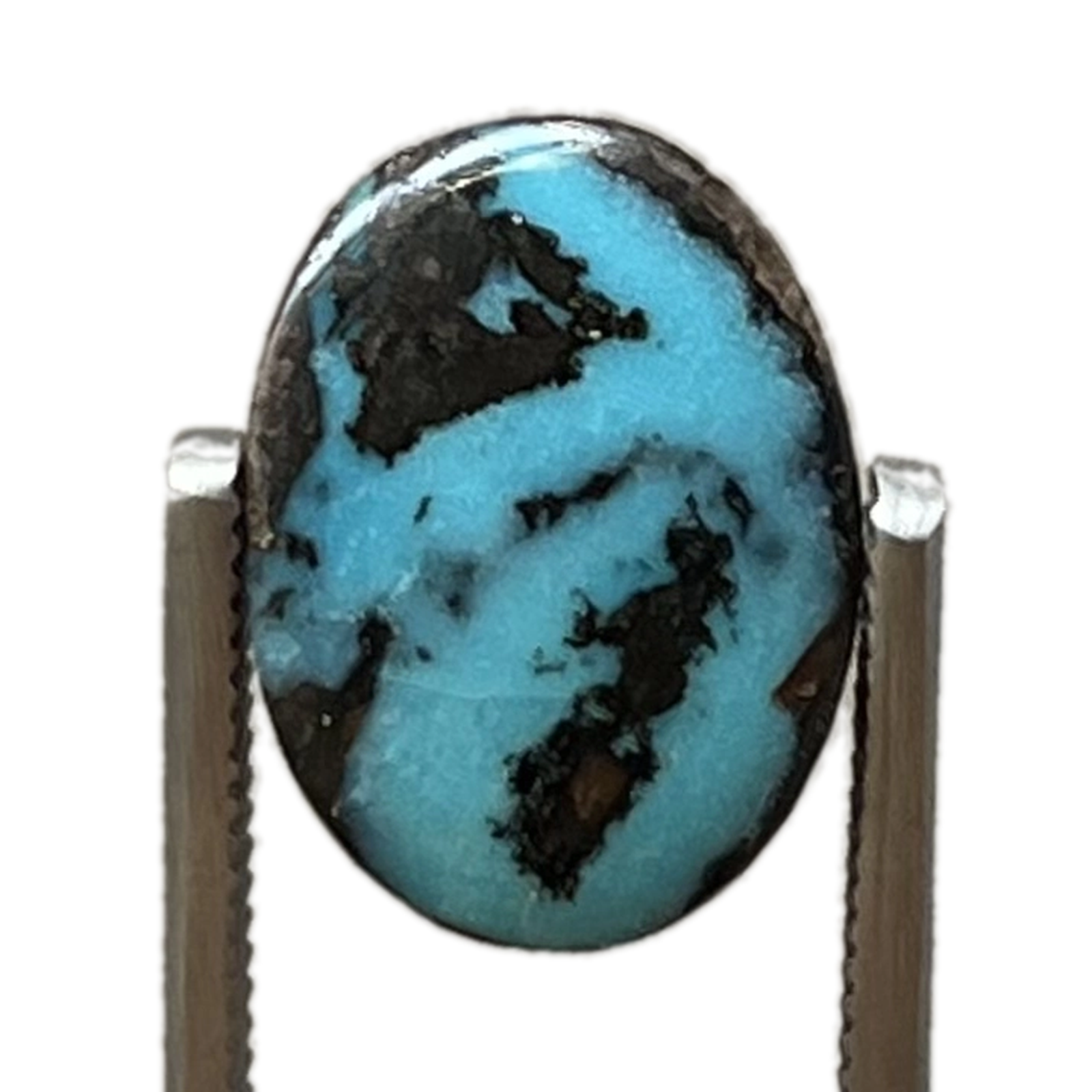
1. Start with identity, not adjectives
Record the Stone ID first. A product title can describe shape or colour, but the ID is the stable reference for the object shown on the page. Use the same ID when you save the page, ask a question or prepare a sourcing brief.
2. Read the documentary views together
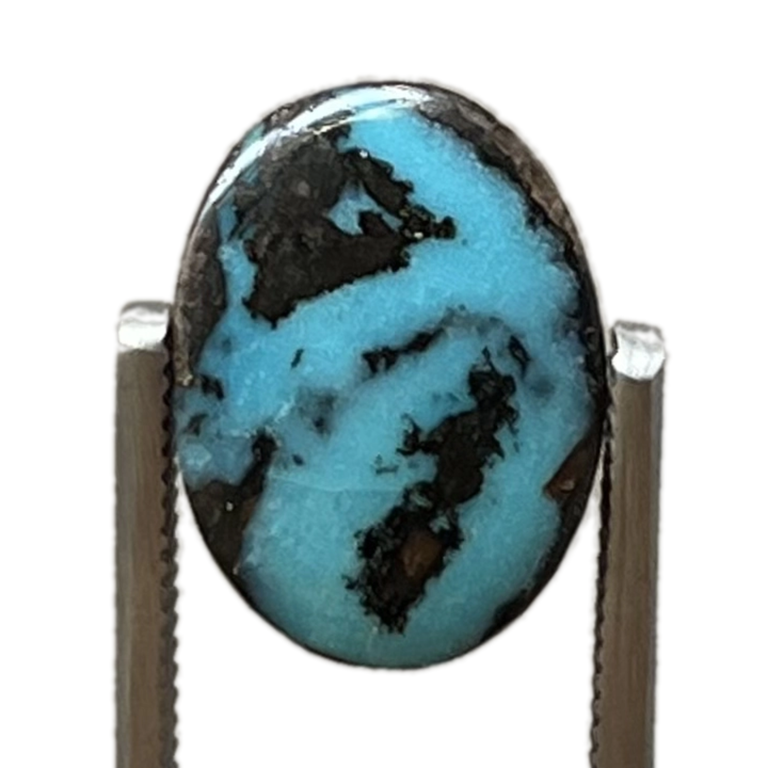
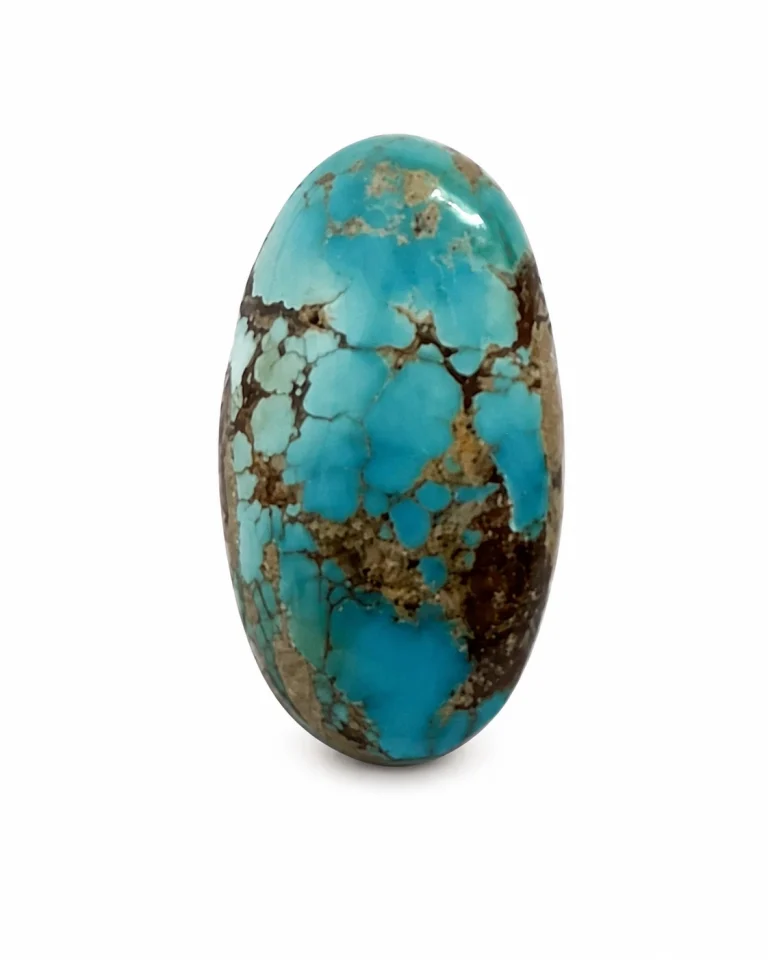
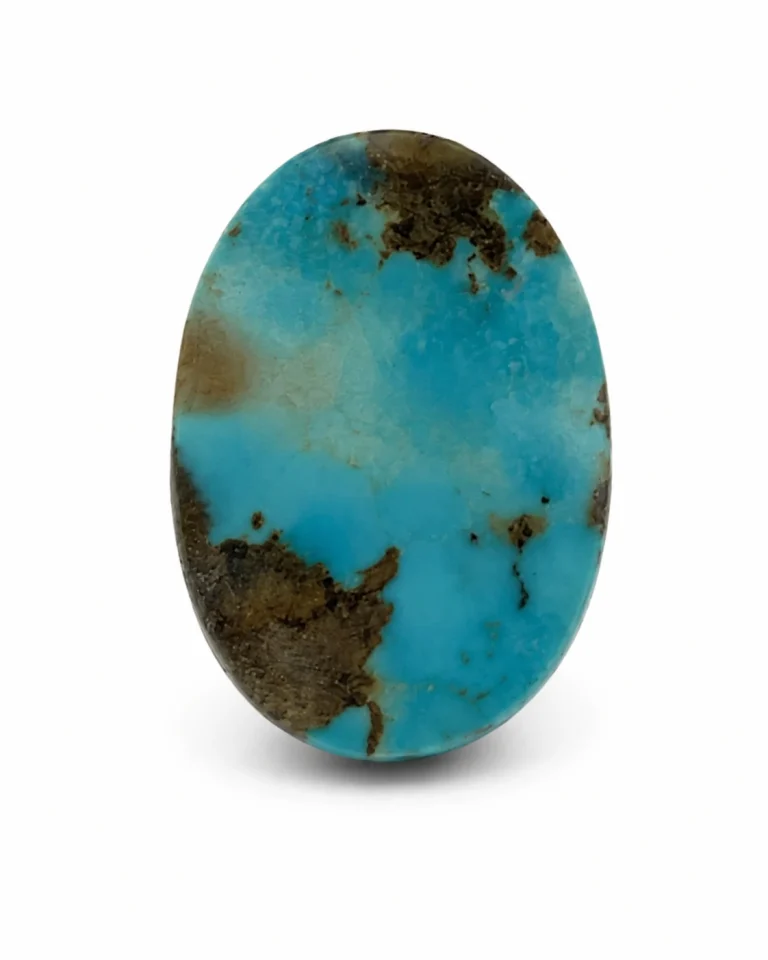
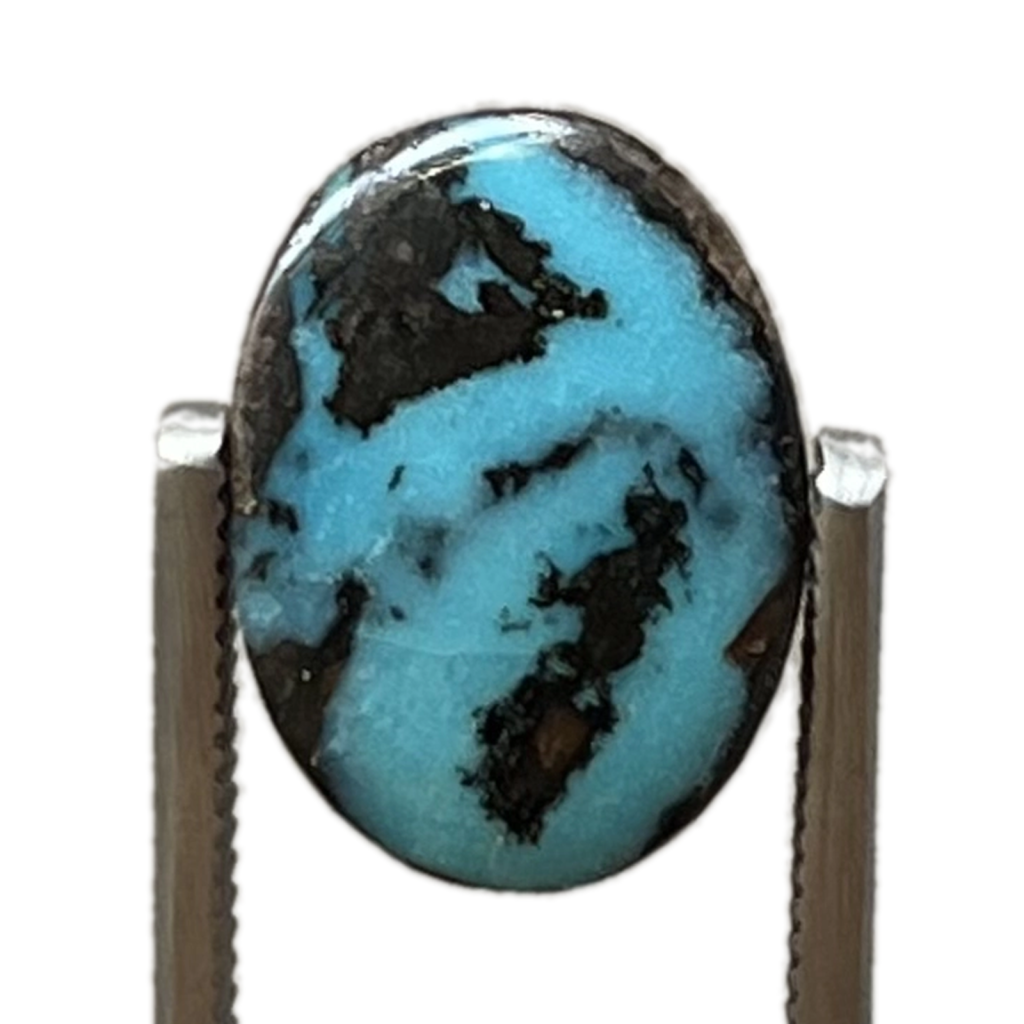
Front, reverse, profile and scale views answer different questions. The front view helps you read the visible colour and pattern. The reverse and profile views help you understand the object’s overall form. A scale view gives useful context for proportion. No single photograph can establish every material property, and screen settings can change how colour appears.
3. Separate treatment wording from authentication
“Natural” or “Untreated” is a statement about the disclosed treatment status of that Stone. It is not a substitute for a laboratory report, and a photograph cannot prove every claim remotely. Read the exact wording on the public record and ask for clarification when the decision depends on a technical fact.
4. Compare dimensions, shape and intended use
Two stones with a similar face colour can behave very differently in a ring, pendant or collection. Check the listed dimensions, profile, weight and shape. If the stone is for a professional project, send the intended setting, preferred scale, matrix direction and timing through NEYFI’s Professional Sourcing route.
5. Treat price as a documented choice
Turquoise price does not reduce to a universal price-per-carat rule. Colour, pattern, form, size, treatment disclosure, documentation and intended use can all affect a buyer’s decision. Compare like with like, and keep the Stone ID attached to the comparison.
What this checklist does not prove
Remote documentation improves decision quality; it does not remove every uncertainty or replace an independent professional opinion where one is required. NEYFI’s purpose is to make the object and its available record easier to inspect before a decision.
Quick checklist before you buy
- Save the exact Stone ID and product URL.
- Review front, reverse, profile and scale views together.
- Read the documented dimensions, weight, treatment wording and EUR price.
- Ask a precise question when a technical detail affects the decision.
Frequently asked questions
Can a photograph prove that turquoise is natural?
No. Images document the appearance of the individual stone; the record carries the disclosed facts and treatment wording.
What should I include in a question?
Include the Stone ID, the decision you are making, and the exact field that needs clarification. This keeps the conversation tied to one object.
Explore the One-of-One Stone Record guide or compare the Collections.
From the field notes
See the stones behind the material.
A field note is the beginning. Compare individual Neyshabur stones with their own documentary images, Stone IDs and EUR availability.