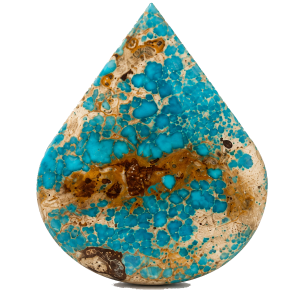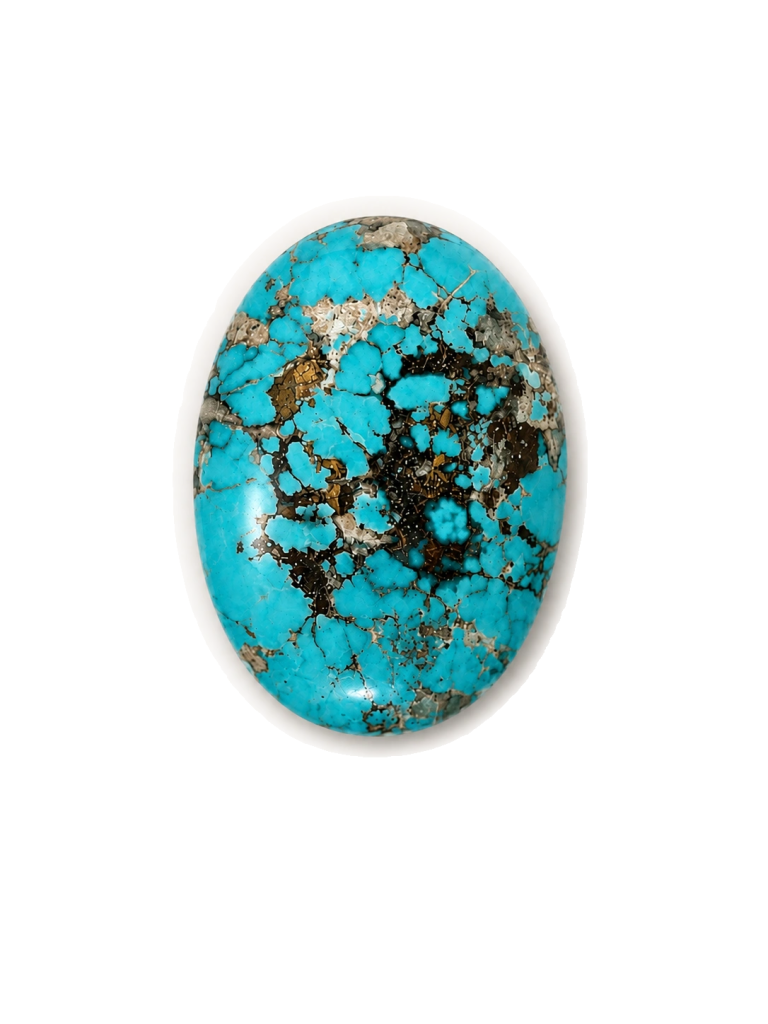
Natural Turquoise vs Fake Turquoise
How to Identify Real Turquoise Before Buying
Introduction
Turquoise has fascinated humanity for thousands of years.
Its unique colors, natural patterns, and historical importance have made it one of the world’s most recognizable gemstones.
However, as the popularity of turquoise continues to grow, so does the presence of imitation and artificially enhanced materials.
For collectors and buyers, understanding the difference between:
- natural turquoise
- treated turquoise
- reconstructed turquoise
- imitation turquoise
is essential.
A true gemstone is not only valuable because of its appearance.
Its value comes from authenticity, origin, rarity, and natural history.
At NEYFI, our mission is to help people recognize and appreciate authentic Neyshapur Turquoise with confidence.
What Is Natural Turquoise?
Natural turquoise is a gemstone formed by geological processes over millions of years.
It develops when specific minerals interact under rare natural conditions.
The result is a gemstone with unique:
- color variations
- matrix patterns
- mineral structure
- character
No two natural turquoise stones are exactly identical.
This individuality is one of the reasons collectors value natural turquoise.
What Is Fake Turquoise?
Fake turquoise refers to materials that imitate the appearance of natural turquoise but are not genuine turquoise gemstones.
Common imitations include:
- dyed stones
- plastic materials
- synthetic turquoise
- other minerals made to look like turquoise
These materials may appear attractive, but they do not contain the same geological history or rarity.
Natural Turquoise vs Imitation Turquoise
1. Color
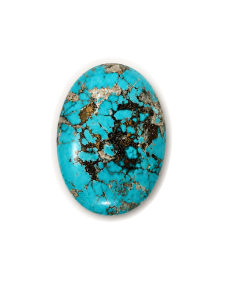
Natural turquoise usually displays subtle variations.
Its color may include:
- robin egg blue
- Persian blue
- sky blue
- green-blue tones
Artificial materials often appear:
- too bright
- too uniform
- unnaturally perfect
Nature creates variation.
Manufacturing creates repetition.
2. Matrix Patterns
One of the strongest visual characteristics of turquoise is its matrix.
Matrix represents the natural patterns created during gemstone formation.
In authentic turquoise:
- patterns are naturally distributed
- each stone is unique
- variations are expected
In imitation stones:
- patterns may look printed
- repeated
- artificially created
The matrix is often the fingerprint of the gemstone.
3. Price and Value
A common warning sign is an unusually low price.
Rare natural gemstones require:
- geological rarity
- careful selection
- expertise
- documentation
A gemstone offered far below normal market expectations may require additional investigation.
True rarity has value.
4. Seller Transparency
A trustworthy gemstone source should provide:
- origin information
- accurate measurements
- weight
- photographs
- treatment disclosure
- authentication details
Transparency is one of the strongest indicators of professionalism.
Natural Turquoise vs Stabilized Turquoise
Some turquoise may receive stabilization treatment to improve durability.
Stabilized turquoise can still contain real turquoise material.
The important factor is disclosure.
A responsible seller clearly explains:
- whether treatment exists
- what type of treatment was used
- how it affects value
Knowledge creates trust.
How Professionals Evaluate Turquoise
Experts consider multiple factors:
Origin
Where the gemstone comes from.
Color
The quality and character of its natural tones.
Matrix
The uniqueness of natural patterns.
Hardness and Structure
The physical characteristics of the stone.
Overall Beauty
The harmony of all characteristics together.
No single test determines the complete value of turquoise.
Expert evaluation considers the entire story.
Why Neyshapur Turquoise Is Special
Among turquoise varieties worldwide, Neyshapur Turquoise has a unique position because of:
- ancient mining history
- Persian cultural heritage
- distinctive blue colors
- collector recognition
Known internationally as Persian Turquoise, it represents one of the world’s most historic gemstone traditions.
NEYFI: A Modern Destination for Authentic Neyshapur Turquoise
The name NEYFI comes from:
NEY → Neyshapur
FI → Firooze (Turquoise)
NEYFI means:
Neyshapur Firooze
Our goal is to preserve and present authentic Neyshapur Turquoise through:
- detailed photography
- transparent information
- collector-focused presentation
We believe education is the foundation of trust.
Buyer Checklist: Before Purchasing Turquoise
Before buying, ask:
✓ Is the stone natural?
✓ Is the origin explained?
✓ Are treatments disclosed?
✓ Are real photographs available?
✓ Are weight and dimensions provided?
✓ Does the seller provide documentation?
✓ Is the gemstone individually identified?
Why Authenticity Matters
A fake gemstone may copy an appearance.
But it cannot copy:
- millions of years of formation
- natural rarity
- geological history
- cultural meaning
Authentic turquoise represents a connection with nature itself.
Internal Links Strategy
Link 1
Anchor Text:
Neyshapur Turquoise
Link:
/neyshapur-turquoise
Target: Main SEO Pillar Page
Link 2
The History of Persian Turquoise
/history-of-persian-turquoise
Target: Heritage Article
Link 3
Ultimate Guide to Neyshapur Turquoise
/ultimate-guide-neyshapur-turquoise
Target: Main Educational Guide
Link 4
Authentic Neyshapur Turquoise Collection
/shop
Target: Conversion Page
Link 5
Turquoise Certification
/certificate-verification
Target: Trust Page