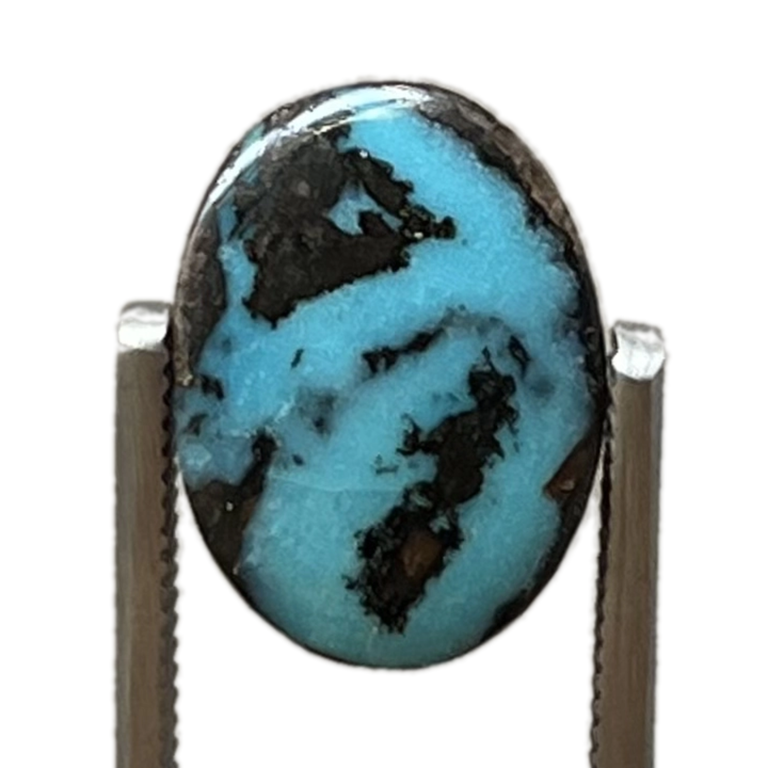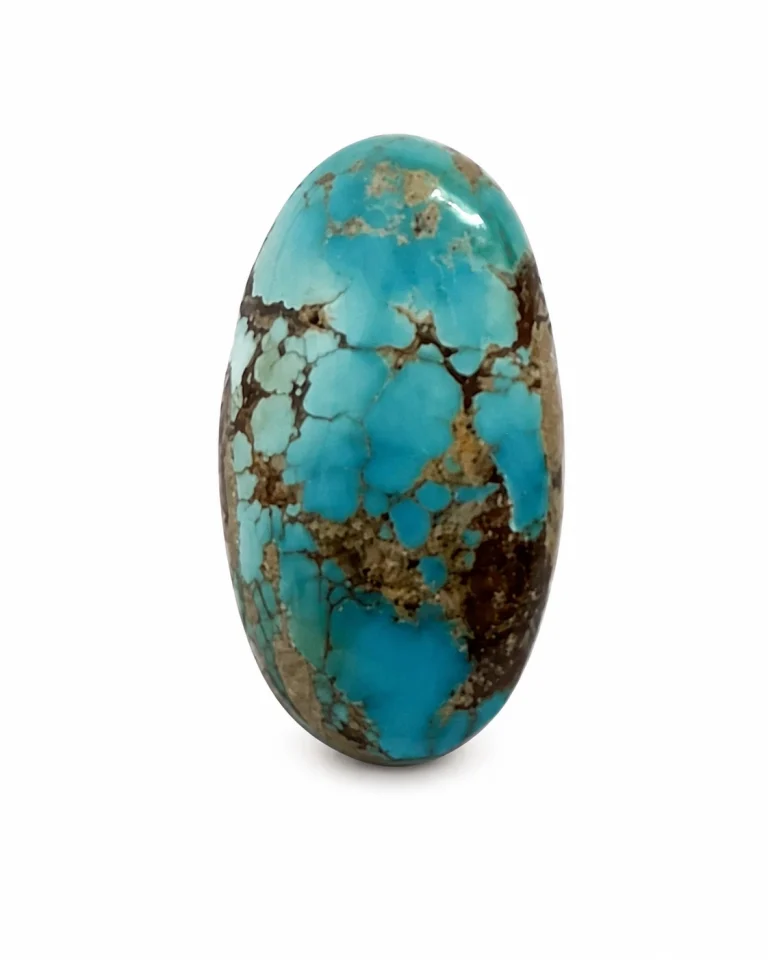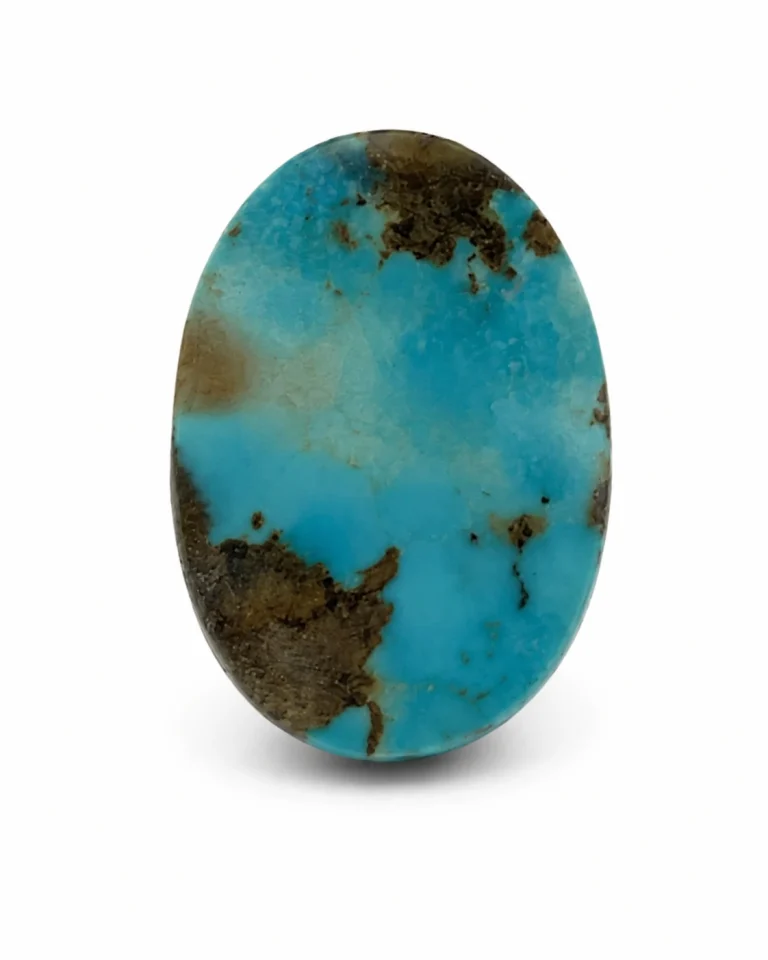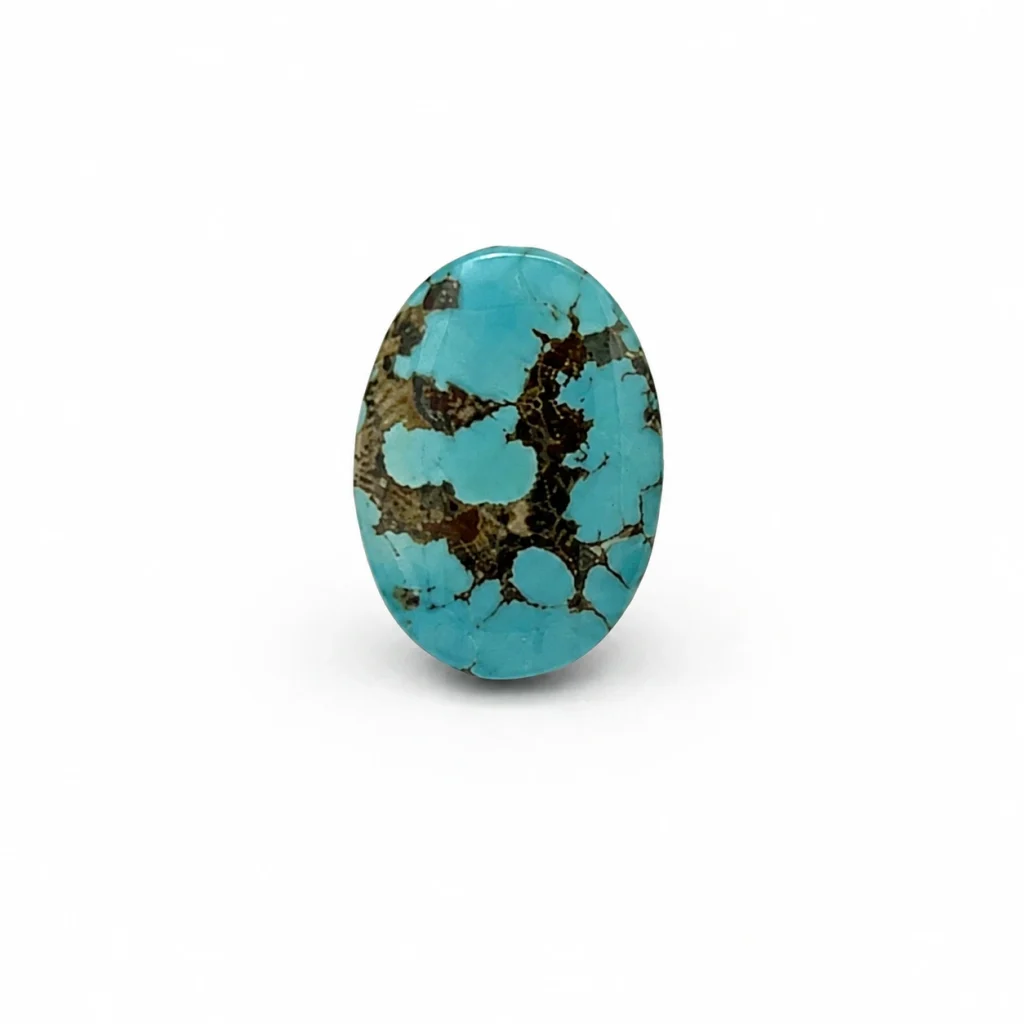
Can heat damage turquoise during jewellery repair? Yes. High heat can discolour turquoise and damage its surface, according to the Gemological Institute of America (GIA). If a setting needs soldering, resizing or repair, tell the jeweller that turquoise is set in it before work begins. The maker should assess the stone and choose a repair plan that controls its exposure to heat.
Why workshop heat deserves attention
Turquoise is not a material to expose casually to high temperatures. GIA’s turquoise care guidance says high heat can cause discolouration and surface damage. It also advises against steam cleaning and notes that chemicals, cosmetics, skin oils and perspiration may affect appearance. These are general material-care statements; they do not predict the outcome for every individual cabochon or every repair technique.
Repair work varies. A jeweller may need to solder, weld, reshape, polish or clean a setting, and each task has its own tools and heat profile. Whether the stone can be safely removed, how the setting is constructed and what work is necessary all affect the plan. A remote guide cannot prescribe a temperature, tool or guaranteed-safe method for a particular piece.
Before a repair: give the maker the right information
Before handing over a turquoise-set piece, tell the workshop what the stone is, whether it is loose or mounted, and what the requested repair involves. Share any product record or laboratory report you have. Ask the jeweller to inspect the mounting and discuss whether the stone should be removed before heat is applied.
- Identify the exact stone and the work required.
- Ask what operations may involve heat, chemicals, abrasives or ultrasonic/steam cleaning.
- Ask whether removal is practical and who will be responsible for setting and resetting the stone.
- Agree how the stone will be identified, handled and protected while it is out of the setting.
- Request that the workshop contact you before changing the agreed scope.
These are prudent questions, not a substitute for the jeweller’s inspection. If removal is not practical, ask the professional to explain the chosen process and its risks before authorising the work.
Why “natural” or “untreated” does not mean heat-proof
Material identity and treatment status are not heat-resistance ratings. A label in a product record answers a documentation question; it does not establish that a mounted turquoise can tolerate repair heat. Likewise, colour, matrix, polish and a photograph cannot establish a safe workshop procedure.
GIA research on turquoise treatments shows that some processes are used to alter appearance or reduce porosity, and that treatment can affect care considerations. The care guidance therefore recommends avoiding high heat and steam for turquoise generally. The sensible repair decision is based on the physical piece and the actual work—not an assumption drawn from a treatment label alone.
After the work
Ask the jeweller to check the setting, stone edges and surface after repair. If you notice a new crack, looseness, discolouration or surface change, stop wearing the piece and contact the workshop. Keep the repair receipt with the stone’s existing record so future owners or jewellers know what work was done.
For routine care, follow GIA’s conservative advice: clean turquoise jewellery with warm, soapy water when needed, and do not use steam or ultrasonic cleaners. Keep it away from harsh chemicals and high heat. Read NEYFI’s turquoise care guide for everyday handling, and its ring-wearing guide for design and wear considerations.
For jewellers and repair workshops
Build the stone into the job plan before bench work starts. Photograph the mounted piece at intake, record the Stone ID when available, and agree on a handling and return process if the cabochon is removed. Where a customer’s piece has a specific laboratory report, retain it with the job information; do not treat a seller’s description or image as a laboratory assessment.
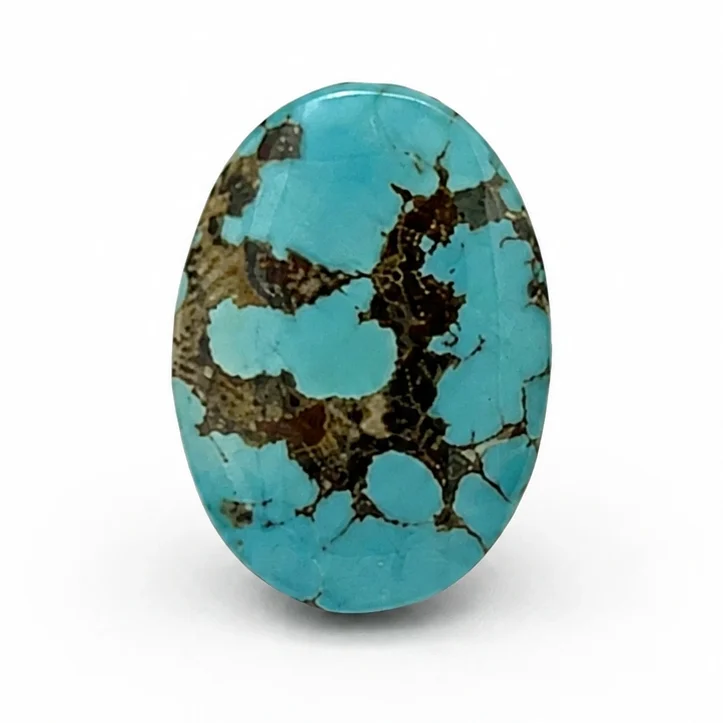
For one-of-one material, link the workshop conversation to the exact product record rather than relying on a generic name such as “oval turquoise.” NEYFI’s NEYFI 1016 record is an example of an individual stone page. Confirm all current details on the record and inspect the physical piece before planning a setting or repair.
Key takeaway
High heat can harm turquoise. Tell the jeweller before repair, ask for a stone-specific plan, and let a qualified professional assess removal and workshop methods. Do not test heat tolerance at home or assume that any single product label guarantees a safe repair.
Sources
- Gemological Institute of America, Turquoise Care and Cleaning Guide
- GIA, The Identification of Zachery-Treated Turquoise
From the field notes
See the stones behind the material.
A field note is the beginning. Compare individual Neyshabur stones with their own documentary images, Stone IDs and EUR availability.