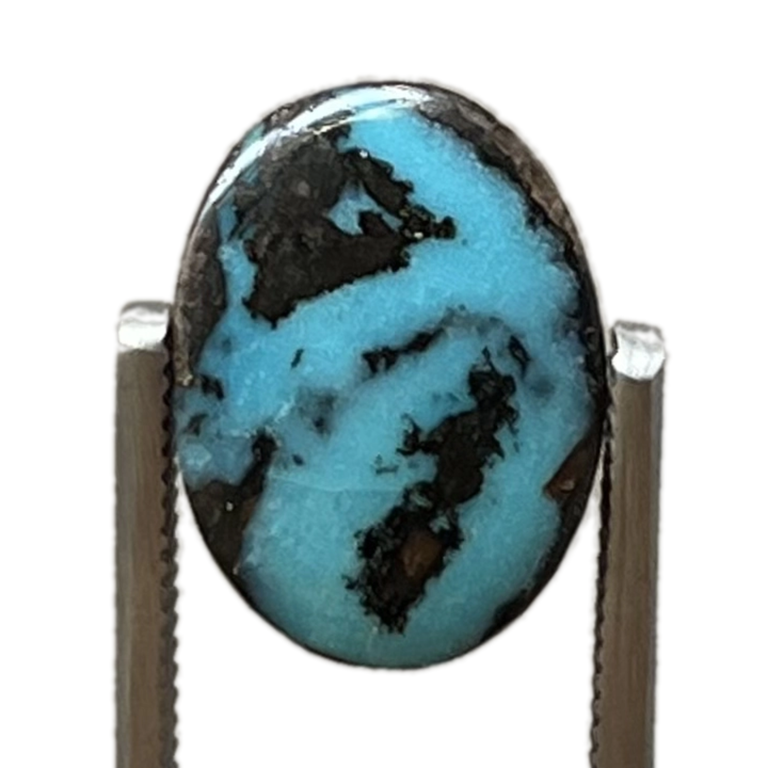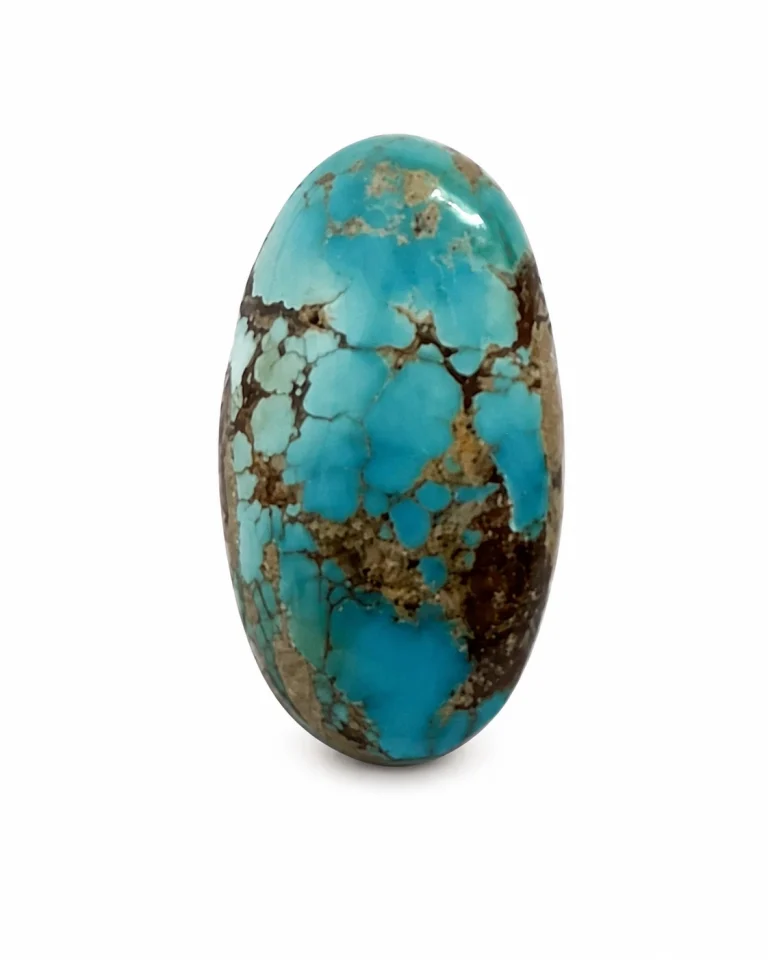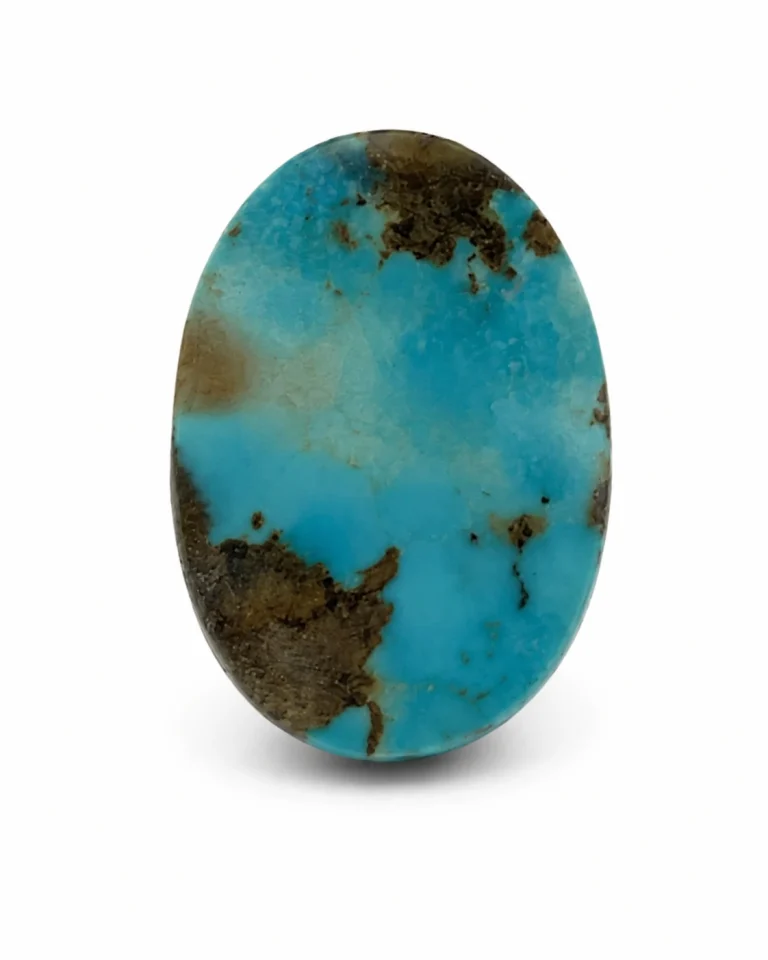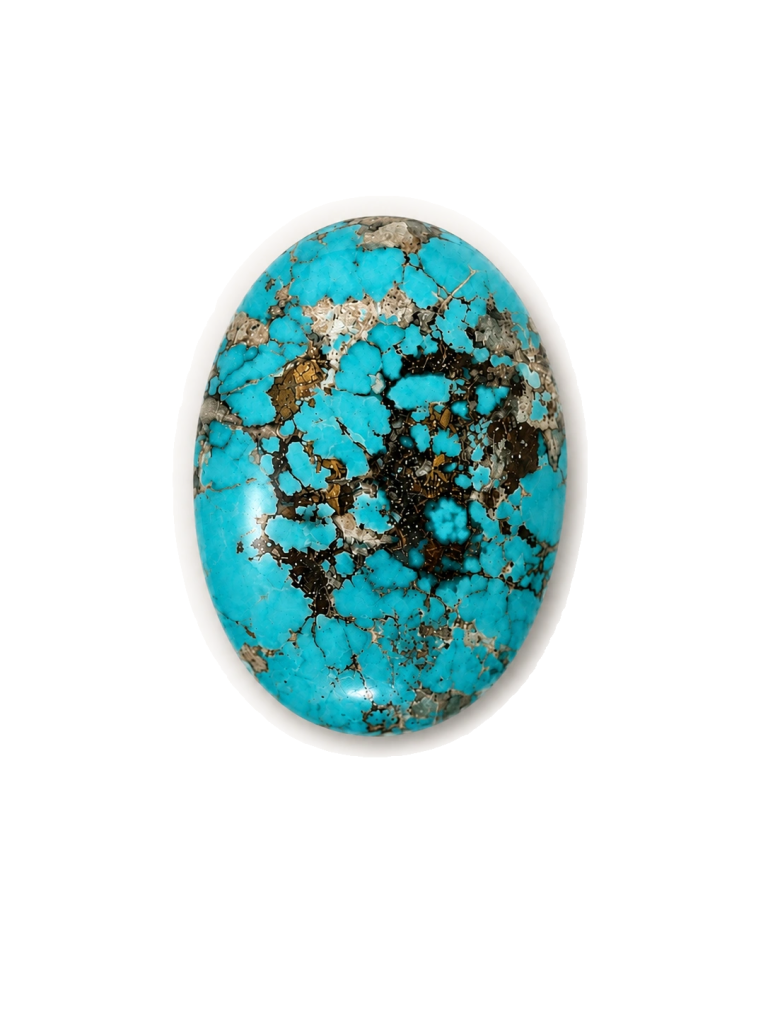
Natural, treated, reconstructed and imitation turquoise are not the same categories. Natural turquoise is the mineral material as formed; treatment modifies genuine turquoise; reconstructed material is manufactured from turquoise material or fragments; imitation is another material made to look like turquoise.
No single visual clue proves which category a stone belongs to. Use exact-stone photography, treatment disclosure, documentation and, when necessary, independent gemological testing.
What Is Natural Turquoise?
Natural turquoise is a secondary mineral formed through geological processes under specific chemical and host-rock conditions.
It develops where copper, aluminum, phosphate and water interact in a suitable geological environment; the exact formation history varies by deposit.
The result is a gemstone with unique:
- color variations
- matrix patterns
- mineral structure
- character
No two natural turquoise stones are exactly identical.
This individuality is one of the reasons collectors value natural turquoise.
What Is Fake Turquoise?
Fake turquoise refers to materials that imitate the appearance of natural turquoise but are not genuine turquoise gemstones.
Common imitations include:
- dyed stones
- plastic materials
- synthetic turquoise
- other minerals made to look like turquoise
These materials may appear attractive, but they do not contain the same geological history or rarity.
How to Tell if Turquoise Is Real
No single visual clue can prove authenticity on its own. Color, matrix and surface variation can help you ask better questions, but reliable buying decisions depend on the exact stone’s documentation, treatment disclosure, seller transparency and, when needed, independent gemological testing.
- Check whether the seller shows the exact stone. Representative or heavily edited images make comparison harder.
- Look for exact weight and dimensions. One-of-one material should be described as an individual object.
- Read the treatment disclosure. Natural, stabilized, dyed, reconstituted and imitation material are different categories.
- Compare front, reverse and edge views. Repetition, printed-looking matrix or inconsistent material can justify further questions, but photographs alone are not definitive proof.
- Ask for independent testing when the transaction warrants it. Seller documentation and a laboratory report are not the same thing.
Natural Turquoise vs Imitation Turquoise
1. Color
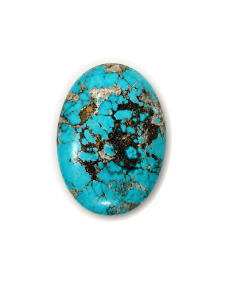
Natural turquoise usually displays subtle variations.
Its color may include:
- robin egg blue
- Persian blue
- sky blue
- green-blue tones
Artificial materials often appear:
- too bright
- too uniform
- unnaturally perfect
Nature creates variation.
Manufacturing creates repetition.
2. Matrix Patterns
One of the strongest visual characteristics of turquoise is its matrix.
Matrix represents the natural patterns created during gemstone formation.
In authentic turquoise:
- patterns are naturally distributed
- each stone is unique
- variations are expected
In imitation stones:
- patterns may look printed
- repeated
- artificially created
The matrix is often the fingerprint of the gemstone.
3. Price and Value
A common warning sign is an unusually low price.
Rare natural gemstones require:
- geological rarity
- careful selection
- expertise
- documentation
A gemstone offered far below normal market expectations may require additional investigation.
True rarity has value.
4. Seller Transparency
A trustworthy gemstone source should provide:
- origin information
- accurate measurements
- weight
- photographs
- treatment disclosure
- authentication details
Transparency is one of the strongest indicators of professionalism.
Natural Turquoise vs Stabilized Turquoise
Some turquoise may receive stabilization treatment to improve durability.
Stabilized turquoise can still contain real turquoise material.
The important factor is disclosure.
A responsible seller clearly explains:
- whether treatment exists
- what type of treatment was used
- how it affects value
Knowledge creates trust.
How Professionals Evaluate Turquoise
Experts consider multiple factors:
Origin
Where the gemstone comes from.
Color
The quality and character of its natural tones.
Matrix
The uniqueness of natural patterns.
Hardness and Structure
The physical characteristics of the stone.
Overall Beauty
The harmony of all characteristics together.
No single test determines the complete value of turquoise.
Expert evaluation considers the entire story.
Why origin should be read carefully
Neyshabur origin is useful provenance information, but origin alone does not establish treatment status, quality, rarity or value. Those questions should be read from the individual stone and the documentation attached to it.
For NEYFI, the practical unit is therefore the Stone ID: the exact object, its documentary photographs, measurements, treatment disclosure, recorded origin and current status.
How NEYFI documents an individual stone
NEYFI presents one-of-one Neyshabur turquoise through:
- documentary photography of the actual stone;
- measured weight and dimensions;
- treatment and origin disclosures kept distinct from visual description;
- a permanent Stone ID that preserves the identity of the individual object.
The purpose is to reduce ambiguity, not to replace independent gemological testing when that level of evidence is required.
Buyer Checklist: Before Purchasing Turquoise
Before buying, ask:
✓ Is the stone natural?
✓ Is the origin explained?
✓ Are treatments disclosed?
✓ Are real photographs available?
✓ Are weight and dimensions provided?
✓ Does the seller provide documentation?
✓ Is the gemstone individually identified?
What You Cannot Reliably Prove at Home
Scratch tests, acetone tests, heat, needles and other destructive “home tests” can damage a stone and still fail to establish origin or treatment conclusively. Visual inspection is useful for screening, not for making laboratory-level claims.
For higher-value purchases, the strongest evidence is a combination of clear seller disclosure, stable product records, consistent documentary photography and independent testing when appropriate.
Why Material Identity Matters
An imitation can reproduce aspects of turquoise colour or pattern, which is why appearance alone is not a reliable authenticity test.
For higher-confidence identification, combine observable characteristics with treatment disclosure, provenance information, stable documentation and independent testing when appropriate.
What distinguishes a natural turquoise object is its actual mineral identity and geological provenance—not simply a blue appearance.
Related NEYFI guides
Continue with How to Identify Authentic Neyshapur Turquoise, How to Buy Turquoise Online Safely, How Turquoise Price Is Determined, and Why Individual Stone Records Matter.
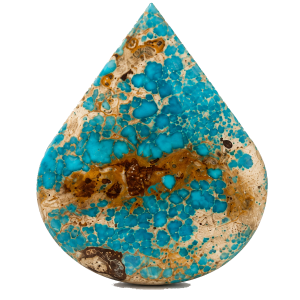
Related NEYFI research: identifying authentic Neyshabur turquoise, buying turquoise online safely, and individual stone records.
Continue with a documented buying path: How to read a turquoise Stone Record before you buy · Compare shape, dome, matrix and scale · Professional Sourcing
Continue reading
- How to Identify Authentic Neyshapur Turquoise
- How to Buy Turquoise Online Safely
- How Turquoise Price Is Determined
- View NEYFI 1005 — Natural Persian Spiderweb Turquoise Oval Cabochon, 60.55 ct
- View NEYFI 1009 — Natural Persian Turquoise Dense Spiderweb Oval Cabochon, 13.40 ct
- Turquoise Matrix Patterns Explained
- Explore NEYFI Collections
From the field notes
See the stones behind the material.
A field note is the beginning. Compare individual Neyshabur stones with their own documentary images, Stone IDs and EUR availability.