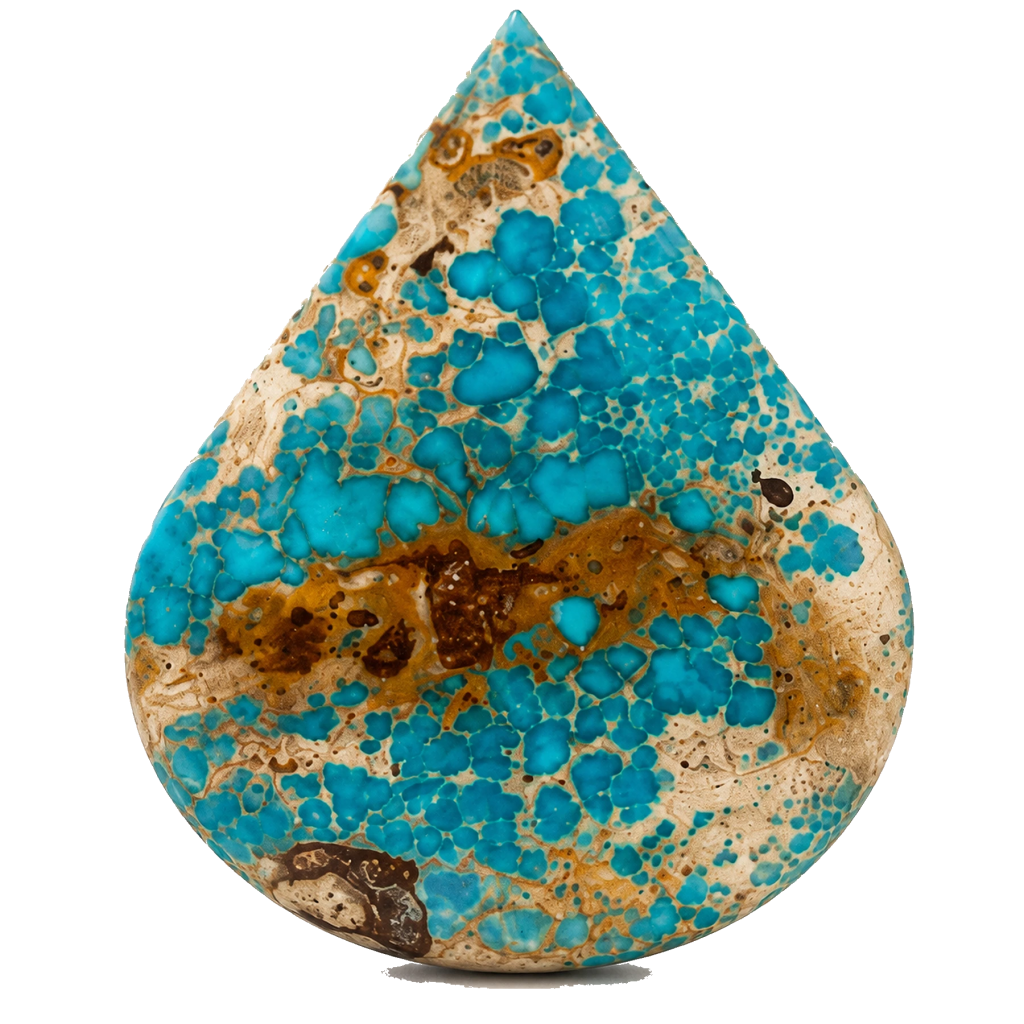
Understanding Robin Egg Blue, Persian Blue, Matrix and Natural Color Variations
Introduction
Color is one of the first things people notice when they see turquoise.
A single shade can create an immediate emotional connection.
The blue of turquoise has inspired artists, collectors, designers, and civilizations for thousands of years.
But turquoise is not simply one color.
Natural turquoise exists in a remarkable spectrum of shades, patterns, and expressions created by geological processes.
Understanding turquoise color helps collectors recognize:
- beauty
- rarity
- quality
- individuality
At NEYFI, we believe every natural turquoise has its own visual identity.
Why Is Turquoise Blue?
The famous blue color of turquoise comes from its mineral composition.
Copper within the gemstone contributes to its blue and green tones.
Different geological conditions create different variations in:
- color intensity
- saturation
- transparency
- patterns
Because every deposit forms differently, each turquoise region develops its own visual signature.
Robin Egg Blue Turquoise
The Iconic Turquoise Shade
Robin egg blue is one of the most admired turquoise colors worldwide.
It is recognized by its:
- soft blue tone
- balanced appearance
- elegant simplicity
- timeless appeal
This shade is often associated with premium turquoise because of its beauty and rarity.
Many collectors search for stones displaying a pure and harmonious robin egg blue appearance.
Persian Blue Turquoise
The Signature Character of Neyshapur Turquoise
Persian blue is one of the most historically significant turquoise colors.
Associated with Persian Turquoise traditions, this color represents:
- heritage
- elegance
- cultural identity
Neyshapur Turquoise is especially recognized for its beautiful blue tones, which have been admired for centuries.
Natural Color Variations in Turquoise
Natural turquoise does not follow a factory standard.
Each stone develops its own character.
Common natural variations include:
Light Blue Turquoise
Known for:
- softness
- calm appearance
- delicate beauty
Medium Blue Turquoise
A balanced and highly appreciated color range.
Often valued for:
- harmony
- versatility
- classic appearance
Deep Blue Turquoise
A more intense expression of turquoise.
Deep colors can create a powerful visual presence and are often appreciated by collectors.
Green Turquoise
Some turquoise contains more green tones due to differences in mineral composition.
Green turquoise can be highly attractive and collectible.
The Role of Matrix in Turquoise Beauty
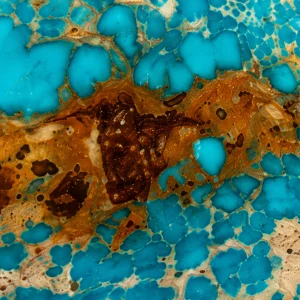
Matrix refers to the natural patterns created by the surrounding rock during turquoise formation.
Matrix can appear as:
- veins
- lines
- web patterns
- natural formations
For some collectors, matrix increases the uniqueness and storytelling value of a gemstone.
A matrix pattern is not simply a mark.
It is evidence of the stone’s journey through nature.
Clean Blue vs Matrix Turquoise
There are different preferences among collectors.
Clean Blue Turquoise
Characteristics:
- smooth color appearance
- minimal visible matrix
- elegant and classic style
Often appreciated for its pure visual simplicity.
Matrix Turquoise
- unique natural patterns
- individual identity
- geological storytelling
Often valued by collectors who appreciate natural character.
Does Color Determine Turquoise Value?
Color is an important factor, but it is not the only one.
A gemstone’s value depends on a combination of:
Color
Beauty, intensity, and harmony.
Origin
The geographical source of the stone.
Natural Formation
Whether the gemstone maintains its natural characteristics.
Overall structure and appearance.
How uncommon the combination of qualities is.
A beautiful gemstone is the result of many factors working together.
Why Neyshapur Turquoise Has a Unique Color Identity
Neyshapur Turquoise is recognized because of its:
- historical origin
- distinctive blue tones
- cultural significance
- collector appreciation
The color is not only visual.
It represents a connection to a place, a history, and a natural process that took millions of years.
NEYFI: Preserving the Colors of Nature
The name NEYFI comes from:
NEY → Neyshapur
FI → Firooze (Turquoise)
NEYFI represents:
Neyshapur Firooze
Our mission is to present authentic Neyshapur Turquoise with respect for its natural beauty.
Every stone is appreciated for:
- its color
- its pattern
- its individuality
- its story
How to Choose the Right Turquoise Color
The best turquoise color is not always the rarest or most expensive.
The right choice depends on personal connection.
Collectors should consider:
- Which color creates the strongest emotional response?
- Does the stone feel unique?
- Does the color represent its natural origin?
- Does it match the intended use?
The most valuable gemstone is often the one that creates a lasting connection.
Frequently Asked Questions
What is the most valuable turquoise color?
High-quality blue turquoise shades, especially rare natural colors with excellent quality and origin, are often highly valued. However, value depends on multiple factors beyond color alone.
Is robin egg blue turquoise rare?
High-quality robin egg blue turquoise is admired by collectors because of its beauty and limited availability.
What color is Persian Turquoise?
Persian Turquoise is commonly associated with elegant blue tones ranging from light blue to deeper Persian blue shades.
Does matrix reduce turquoise value?
Not necessarily. Some collectors prefer clean blue stones, while others value matrix patterns because they make each gemstone unique.