Turquoise Grading Guide
How Experts Evaluate Neyshapur Turquoise Quality
Introduction
Not all turquoise gemstones have the same value.
Two stones may come from the same region and have similar colors, yet their rarity, beauty, and collector appeal can be completely different.
Understanding turquoise quality requires looking beyond appearance.
Professional evaluation considers a combination of:
- color
- matrix
- origin
- natural characteristics
- rarity
- craftsmanship
At NEYFI, each turquoise is treated as an individual documented object.
A transparent evaluation framework can help compare stones, but the comparison should remain traceable to the actual Stone facts rather than to a universal grade that does not exist.
Is There an Official Turquoise Grading System?
Unlike diamonds, which have internationally recognized grading systems, turquoise does not have one universal global grading standard.
Different experts, collectors, and sellers may use different terms.
For this reason, responsible sellers should clearly explain their evaluation criteria.
When NEYFI describes an individual stone, the emphasis is on:
- documented identity
- observable material character
- treatment and origin disclosure
- transparent comparison
The Main Factors That Determine Turquoise Quality
1. Color
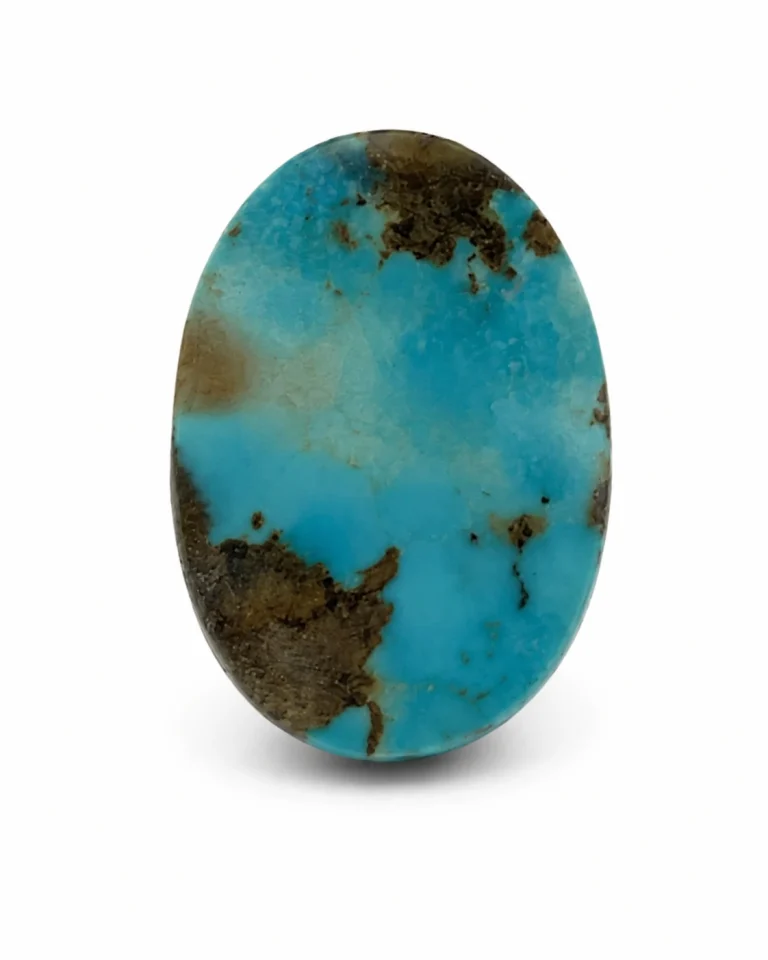
Color is one of the most important characteristics of turquoise.
Collectors often appreciate:
- rich blue tones
- balanced saturation
- natural appearance
- unique character
Popular colors include:
- robin egg blue
- Persian blue
- sky blue
- deep blue shades
A beautiful color can significantly influence collector interest.
2. Matrix Pattern
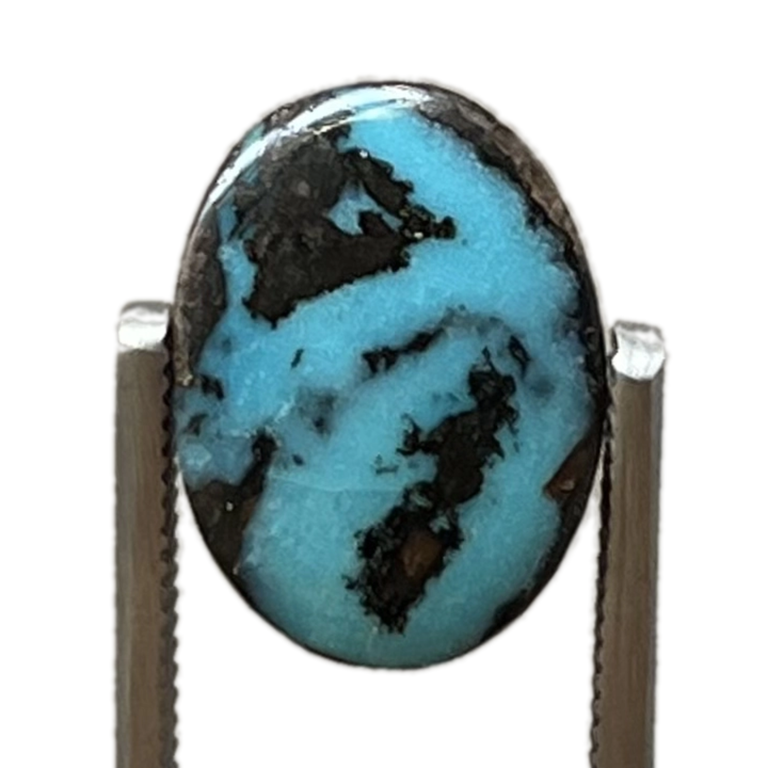
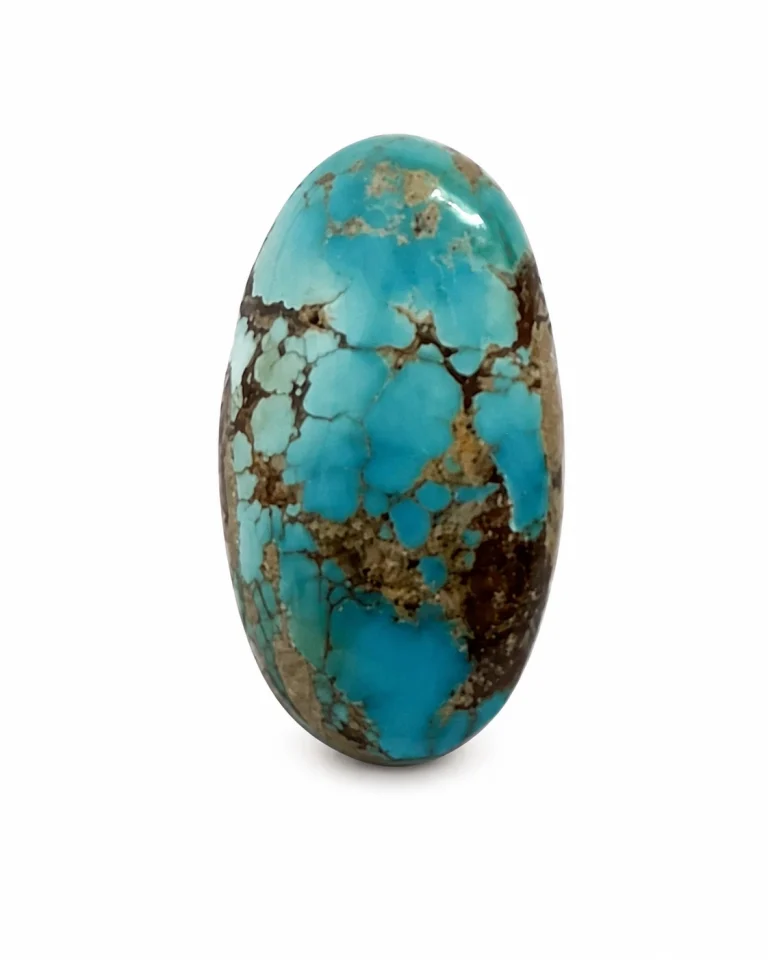
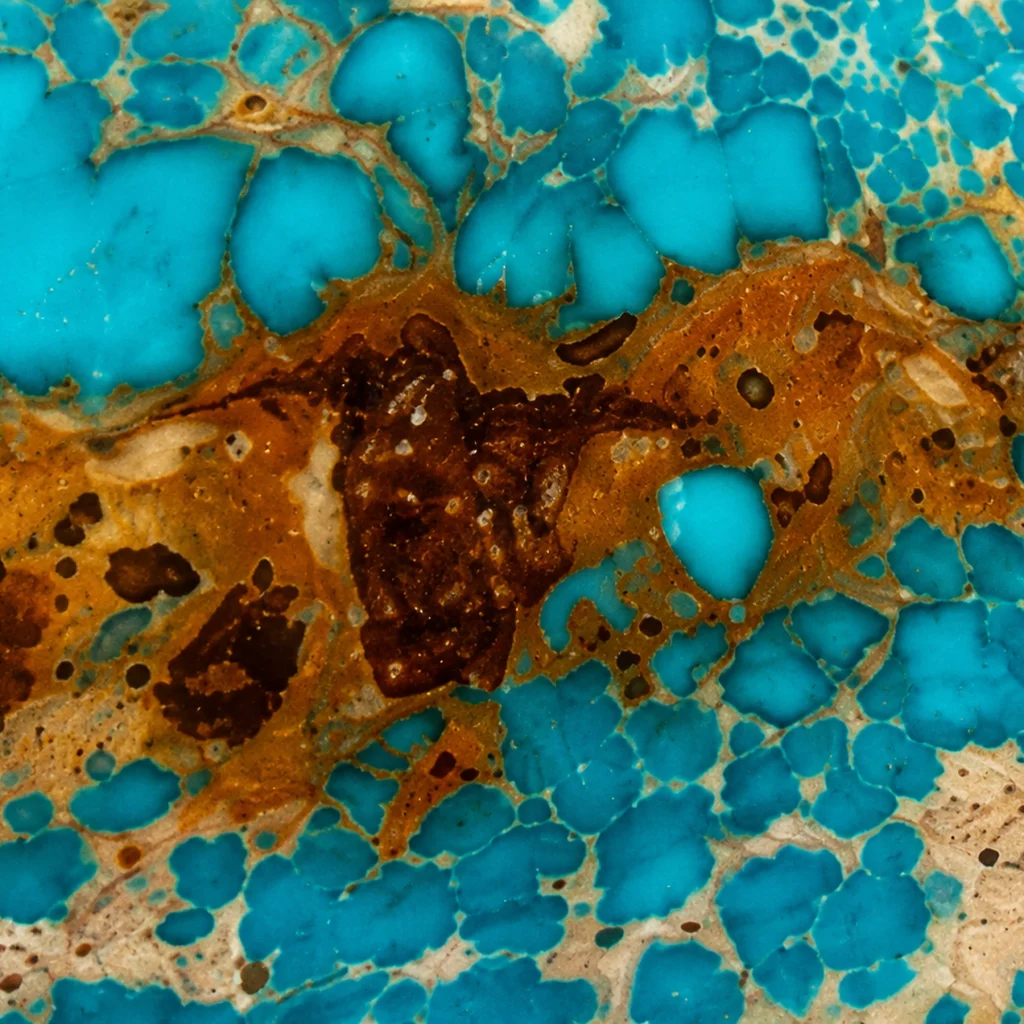
Matrix represents the natural traces of surrounding rock within turquoise.
Matrix can appear as:
- veins
- web patterns
- lines
- natural formations
Some collectors prefer clean blue stones.
Others appreciate matrix because it creates individuality.
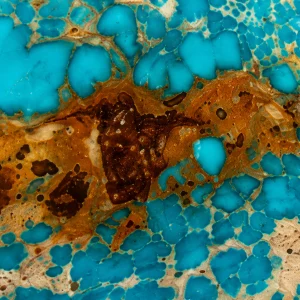
Matrix is not simply an imperfection.
It is part of the gemstone’s story.
3. Origin
The geographical origin of turquoise contributes to its identity.
Neyshapur Turquoise is valued because of:
- historical mining tradition
- Persian heritage
- distinctive characteristics
A gemstone’s origin connects it to a specific geological story.
4. Natural Condition
Collectors often consider whether the gemstone maintains its natural characteristics.
Important information includes:
- natural or treated status
- stabilization disclosure
- authenticity documentation
Transparency creates confidence.
5. Shape and Craftsmanship
For cut turquoise, craftsmanship influences presentation.
Important factors:
- symmetry
- polish quality
- proportion
- surface condition
A skilled cut reveals the natural beauty of the gemstone.
6. Rarity
Rarity is one of the strongest elements behind collector value.
Rare combinations such as:
- exceptional blue color
- unique matrix
- larger size
- high natural quality
can make a gemstone especially desirable.
How NEYFI Organizes the Current Collection
NEYFI does not use Royal, Premium, Artisan, A, AA or AAA as a universal public grading system. Those terms can vary between sellers and should not be treated as standardized gemological grades.
NEYFI Collection labels are curatorial classifications, not gemological grades. Any Collection assignment must follow the governed Stone record and migration rules; it should never be inferred from price, colour or a marketing tier. A Collection does not replace the stone’s documented weight, dimensions, form, colour, matrix, origin statement, treatment disclosure or any independent laboratory report.
For quality comparison, read the individual Stone facts first and use the Collection only as secondary curatorial context.
How Experts Compare Two Turquoise Stones
When comparing two gemstones, experts ask:
Which has better color?
Which has stronger natural character?
Which is rarer?
Which has better origin information?
Which creates a stronger emotional connection?
Value is created by the combination of qualities.
Why Transparent Documentation Creates Trust
Trust improves when the buyer can see the basis of a comparison rather than relying on a single grade label. Useful documentation includes the exact Stone ID, measurements, photographs, treatment disclosure, origin statement and observable material characteristics.
A grade can be a seller’s shorthand. The documented facts are what make the comparison inspectable.
NEYFI’s approach to comparison
NEYFI treats each Stone ID as an individual documented object. Comparative frameworks can help organize an archive, but they should remain subordinate to the stone’s observable characteristics, disclosed treatment and origin information, measurements and documentary images. For NEYFI’s internal comparative framework, see The NEYFI Index.
How to Use Grade Labels Carefully
If a seller uses a grade label, ask what measurable or observable criteria sit behind it. Compare the actual stone’s colour, matrix, dimensions, treatment disclosure, condition and documentation before treating the label as meaningful.
For a one-of-one object, the individual Stone facts are more useful than assuming that a higher-sounding label is automatically the better choice.
Frequently Asked Questions
What determines turquoise quality?
Turquoise quality depends on color, matrix, origin, natural condition, craftsmanship, and rarity.
Is AAA turquoise an official grade?
AAA is a commonly used marketing term, but turquoise does not have one universal international grading system.
What is collector grade turquoise?
Collector grade turquoise refers to gemstones with exceptional rarity, beauty, uniqueness, or historical significance.
Why is Neyshapur Turquoise valuable?
Neyshapur Turquoise is valued because of its heritage, natural beauty, origin, and collector recognition.
Related NEYFI research: how turquoise price is determined, turquoise matrix patterns, why individual stone records matter, and buying turquoise online safely.
Continue reading
- A, AA, AAA Turquoise Grades Explained
- The Complete Guide to Turquoise Colors
- How to Identify Authentic Neyshapur Turquoise
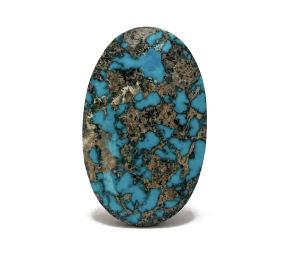
- View NEYFI 1006 — Natural Persian Turquoise Large Oval Cabochon, 120.80 ct
- View NEYFI 1005 — Natural Persian Spiderweb Turquoise Oval Cabochon, 60.55 ct
- Explore NEYFI Collections
- Professional Sourcing
From the field notes
See the stones behind the material.
A field note is the beginning. Compare individual Neyshabur stones with their own documentary images, Stone IDs and EUR availability.