Understanding Turquoise Quality Labels and What They Really Mean
Introduction
When shopping for turquoise, buyers often encounter terms such as:
- A Grade Turquoise
- AA Turquoise
- AAA Turquoise
These labels are commonly used in the gemstone market to describe differences in quality and appearance.
However, many buyers do not know what these terms actually represent.
Unlike diamonds, turquoise does not have one universal international grading system.
Different sellers may use these labels differently.
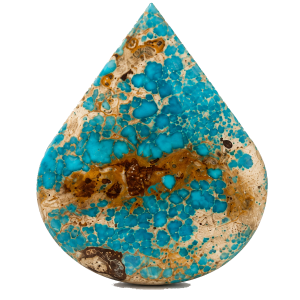
For this reason, understanding the factors behind the grade is more important than the label itself.
For NEYFI, a seller-defined grade is secondary to inspectable information about the individual stone: photographs, measurements, treatment disclosure, provenance context and the Stone ID.
Are A, AA and AAA Turquoise Grades Official?
The short answer:
No.
A, AA, and AAA are not internationally regulated gemstone grades.
They are commonly used industry terms that help describe relative quality.
A seller-specific letter grade is useful only when the criteria behind it are explicit. GIA describes turquoise quality primarily through colour, texture and the presence or absence of matrix; treatment, cut, weight and documented origin remain separate facts that should also be disclosed where relevant.
For that reason, a trustworthy seller should provide inspectable information beyond a simple A, AA or AAA label. See GIA’s turquoise quality factors.
What Does AAA Turquoise Mean?
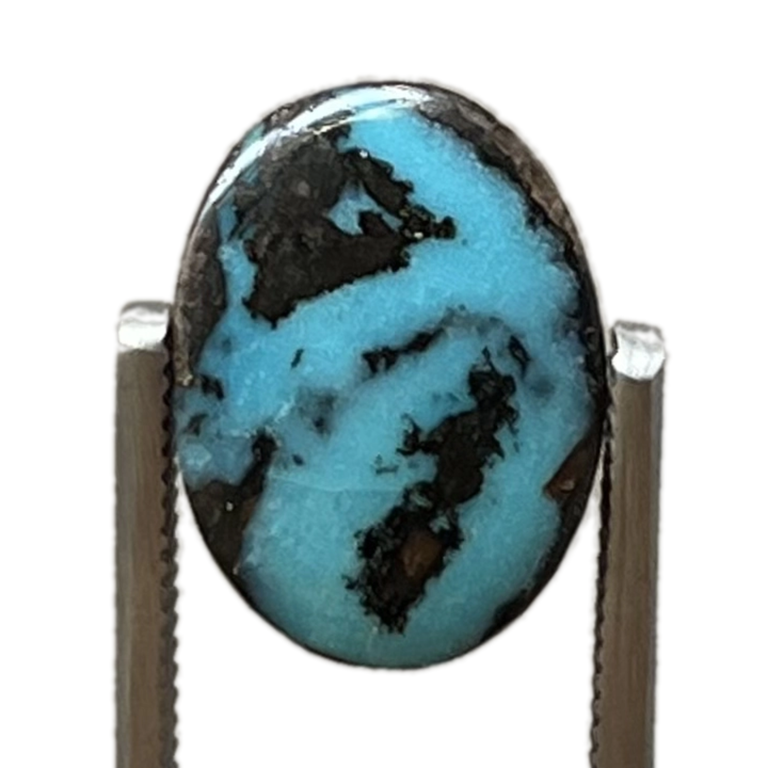
AAA Turquoise is commonly used to describe some of the highest-quality turquoise available within a seller’s grading system.
Typical characteristics may include:
- exceptional color
- strong visual appeal
- excellent natural appearance
- limited availability
- high collector interest
However, the meaning of AAA can vary between sellers.
The actual gemstone characteristics are what create value.
Characteristics Often Associated With AAA Turquoise
AAA turquoise often displays:
- strong blue tones
- balanced saturation
- attractive natural appearance
Popular examples include:
- robin egg blue
- Persian blue
- deep natural blue shades
Premium Natural Character
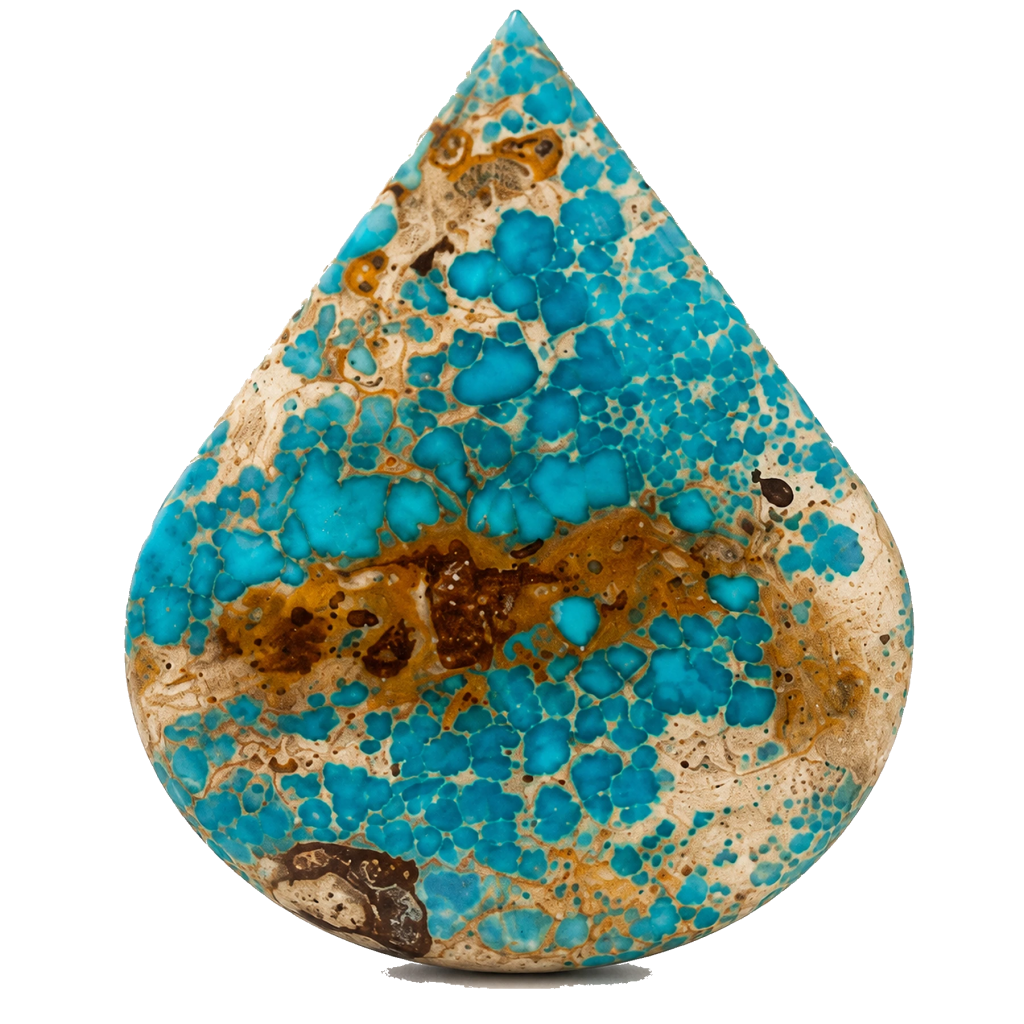
High-quality turquoise usually maintains a natural appearance with:
- beautiful texture
- balanced patterns
- unique identity
Greater Rarity
Exceptional stones are less common.
A combination of:
- size
- quality
can make a gemstone especially desirable.
What Is AA Turquoise?
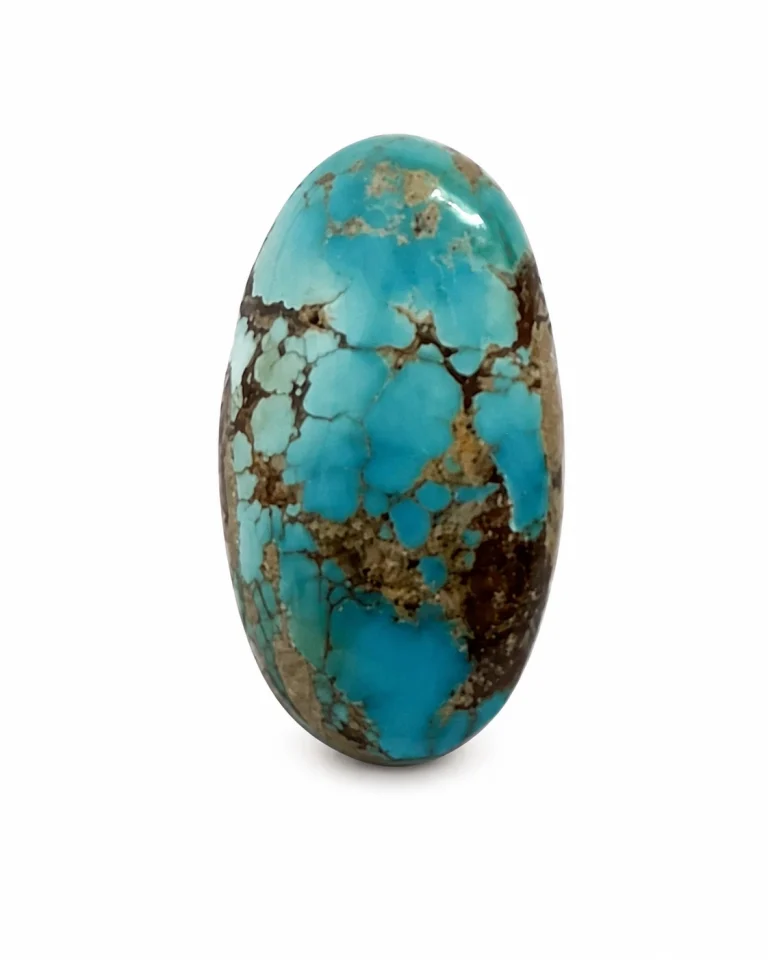
AA Turquoise generally represents a high-quality category below AAA.
Characteristics may include:
- attractive color
- good natural structure
- desirable appearance
- strong value
AA turquoise can be an excellent choice for collectors and jewelry designers who want quality with more accessibility.
Characteristics Often Associated With AA Turquoise
AA stones may have:
- beautiful natural colors
- moderate matrix patterns
- excellent overall appearance
They often provide a balance between quality and price.
What Is A Grade Turquoise?
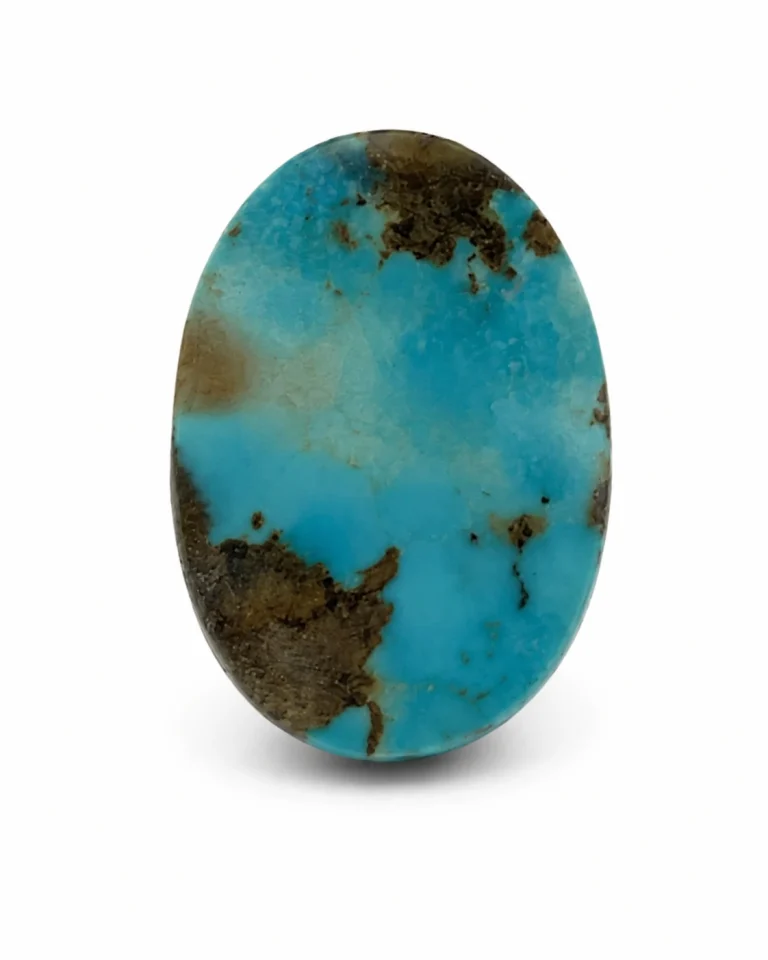
A Grade Turquoise generally represents authentic turquoise with good characteristics.
It may include:
- natural color
- visible matrix
- individual patterns
- accessible collecting options
A Grade does not mean fake or low quality.
It simply represents another position within a quality range.
Why Color Matters More Than the Label
A common mistake is believing:
AAA always means the perfect stone.
In reality, a gemstone’s beauty depends on the combination of qualities.
A unique A-grade turquoise with exceptional character may be more meaningful to a collector than a generic higher-grade stone.
The gemstone itself tells the story.
How Experts Really Evaluate Turquoise
Professional evaluation considers:
1. Color
The beauty, intensity, and harmony of natural tones.
2. Matrix
The uniqueness of natural patterns.
3. Origin
The geological source and historical connection.
4. Natural Condition
Whether treatments are disclosed and understood.
5. Rarity
How uncommon the combination of qualities is.
How NEYFI Describes Individual Stones
NEYFI does not treat A, AA or AAA as a universal grading authority. Because these letter grades are seller-dependent, the public description of a NEYFI stone is built from the individual object and its documented facts.
Each available stone is identified by its Stone ID and, where recorded, by exact weight, dimensions, form, colour, matrix, origin statement, treatment disclosure and current Collection. NEYFI Collections such as Classic, Collector, Signature and Studio are curatorial groupings within the current collection; they are not substitutes for an independent gemological grading system.
For comparison, read the individual Stone page and its documented characteristics rather than assuming that a letter grade alone determines quality or value.
Why Transparency Creates Luxury
Luxury is not created by mystery.
Luxury is created by:
- knowledge
- trust
- craftsmanship
- authenticity
A collector should understand why a gemstone is special.
Education transforms a purchase into a meaningful experience.
Choosing Between A, AA and AAA Turquoise
The best choice depends on your purpose.
For Collectors
Focus on:
- uniqueness
- documentation
For Jewelry Design
- color harmony
- shape
- durability
- visual impact
For First-Time Buyers
- trusted information
- personal connection
Why Neyshapur Turquoise Remains Special
Regardless of grade labels, authentic Neyshapur Turquoise carries:
- historical heritage
- natural origin
- geological uniqueness
- cultural meaning
The value of this gemstone begins before grading.
It begins with nature.
How NEYFI uses grades
NEYFI does not treat A, AA or AAA as authoritative grades for its one-of-one stones. Where comparative language is useful, it should remain traceable to the individual Stone record and should never replace factual documentation. NEYFI’s own comparative framework is explained separately in The NEYFI Index.
Frequently Asked Questions
Is AAA turquoise the best turquoise?
AAA is often used to describe high-quality turquoise, but the meaning depends on the seller’s grading system.
Is AA turquoise necessarily real?
No. AA is a seller-defined quality label; the label itself does not establish mineral identity, geographic origin or treatment status. Those questions require separate disclosure and, when necessary, gemological testing.
Does AAA always mean expensive?
Not necessarily. Price depends on many factors including origin, rarity, size, color, and demand.
What is considered high-quality turquoise?
There is no universal A-to-AAA standard. In mainstream gemological evaluation, colour, texture and matrix are central quality factors, while treatment, cut, weight, condition and documented origin provide additional context. Preferences can differ between collectors and designers.
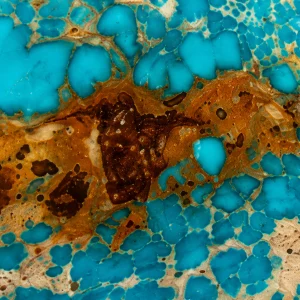
Related NEYFI research: how turquoise price is determined, matrix patterns, why individual stone records matter, and buying turquoise online safely.
Continue reading
- Turquoise Grading Guide: How Experts Evaluate Quality
- The Complete Guide to Turquoise Colors
- How to Identify Authentic Neyshapur Turquoise
- View NEYFI 1011 — Natural Persian Turquoise High-Dome Oval Cabochon, 87.20 ct
- View NEYFI 1006 — Natural Persian Turquoise Large Oval Cabochon, 120.80 ct
- Explore NEYFI Collections
- Professional Sourcing
From the field notes
See the stones behind the material.
A field note is the beginning. Compare individual Neyshabur stones with their own documentary images, Stone IDs and EUR availability.